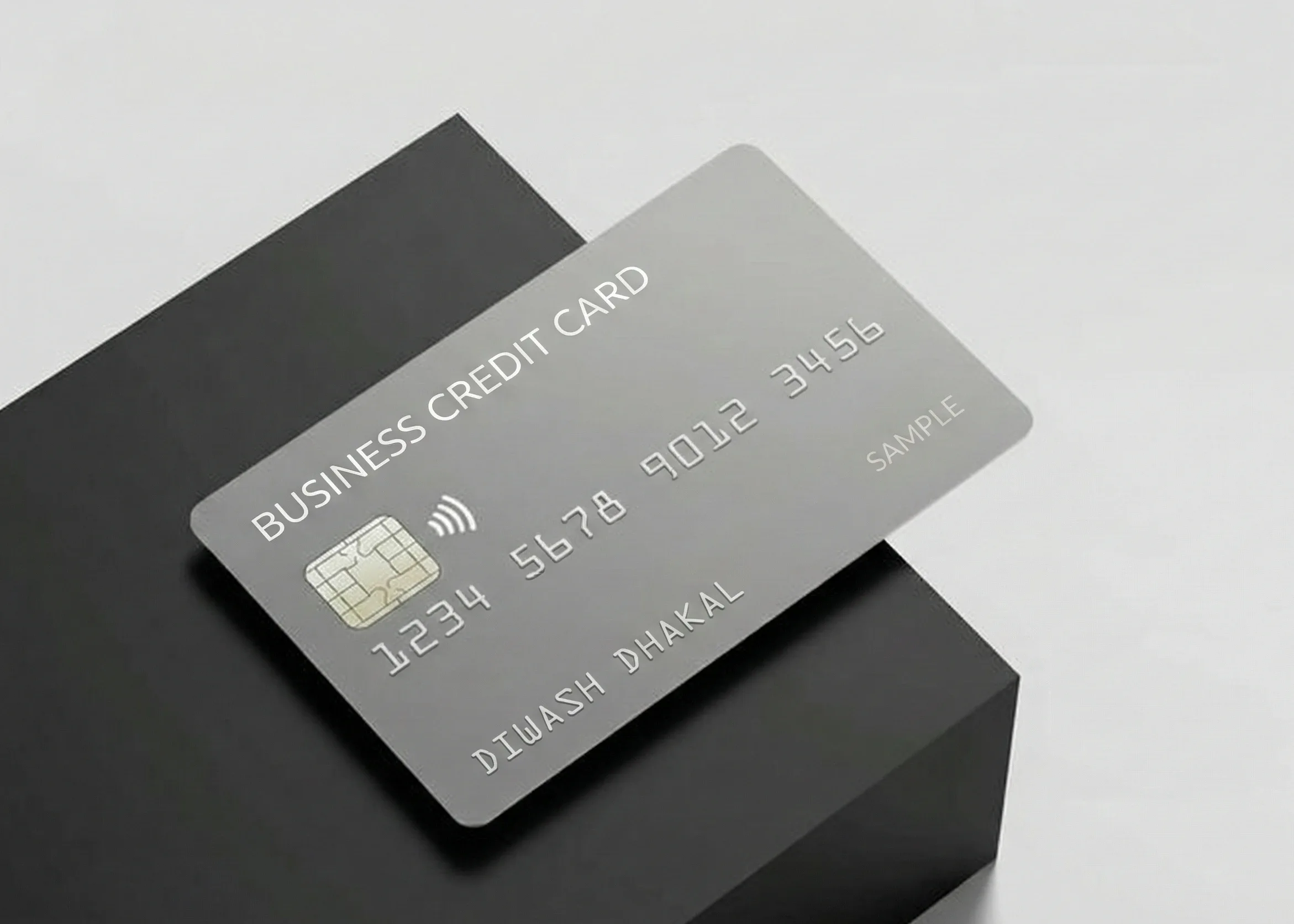
If you’ve built excellent credit, you’re already in a strong position to access competitive financial products. A card with a higher spending limit can offer more than just purchasing flexibility it may help you maintain a lower credit utilization rate, access enhanced rewards, and enjoy perks such as travel insurance, extended warranties, or airport lounge entry.
In 2025, several major issuers are introducing cards that combine substantial limits, competitive fees, and valuable benefits. This guide outlines important considerations, common pitfalls to avoid, and strategies that may help you maximize the value of your card.
- Use available credit strategically to keep utilization low and strengthen your credit profile over time.
- Match card benefits and rewards to your lifestyle for maximum value without unnecessary spending.
- Pay balances in full each month to avoid interest and maintain financial control.
- Review card features annually to ensure they still align with your needs and goals.
- Approach a larger limit as a financial tool, not an invitation to increase unnecessary expenses.
Understanding High-Limit Credit Cards: Definition and Mechanics
High-limit credit cards are specialized financial instruments designed for consumers with established creditworthiness, offering access to credit lines that typically exceed $10,000 or $50,000. These accounts serve as a recognition of long-term financial stability and provide the liquidity necessary for significant professional or personal expenses. Most of these cards are issued through premium networks such as Visa, which provides high-tier security and global acceptance for large-scale transactions.
Mechanically, these cards operate by expanding a cardholder’s total available credit pool, which directly impacts the credit utilization ratio, a key factor that accounts for 30% of a standard FICO® score. By providing a larger spending ceiling, these cards allow you to handle substantial transactions without the need for multiple smaller accounts. For example, carrying a $3,000 balance on a $20,000 limit results in just 15% utilization, whereas the same balance on a $5,000 limit would result in 60% utilization, a level that typically triggers a dip in credit scores.
Obtaining such a card generally requires more than a strong credit score; lenders evaluate your debt-to-income (DTI) ratio, employment history, and total annual earnings. For those who are currently in the earlier stages of their financial journey, establishing a solid foundation is essential. You can explore the best first credit cards to build credit to start the responsible history required to qualify for high-capacity products in the future.
Top High-Limit Credit Card Recommendations for 2025
The following table highlights top-tier cards known for their substantial limits and premium feature sets. These are based on official bank requirements and reported data for the 2025 US market.
| Card Name | Annual Fee (2025) | Variable APR (2025) | Primary 2025 Benefit | Official Disclosure |
|---|---|---|---|---|
| Amex Platinum Card® | $695 | 19.49% – 28.49% | $200 Hotel Credit & Global Lounge Access | View Official Terms |
| Chase Sapphire Reserve® | $795 | 19.74% – 28.24% | $300 Travel Credit & $500 Hotel Credit | View Pricing & Terms |
| Capital One Venture X | $395 | 19.74% – 28.74% | 10k Anniversary Miles & $300 Travel Credit | View Rates & Disclosures |
| Citi Double Cash® | $0 | 18.24% – 28.24% | Unlimited 2% Cash Back (1% buy, 1% pay) | View Card Agreement |
Note: The rates and fees listed above are based on mid-2025 data for the US market. Credit card issuers update their terms frequently based on the Prime Rate and competitive shifts. Novozora encourages readers to review the official Schumer Box (Rates and Fees table) on each bank’s website prior to application.
Who Should Consider a High-Limit Credit Card
A premium-limit credit card isn’t right for everyone, but it may be a good option for people with excellent credit who want more financial flexibility.
If you regularly make large purchases, whether for business, travel, or personal reasons, having a higher limit can help you avoid maxing out your card and keep your credit utilization low. This can support a stronger credit score, which benefits you when applying for loans, mortgages, or even another credit card in the future.
These cards are also a good match for responsible spenders who want to take advantage of premium rewards and benefits. With the right high-limit card, you can earn valuable travel points, cash back, or statement credits without feeling limited by a smaller spending cap.
The extra perks, such as extended warranties, fraud protection, or concierge services, can make everyday purchases more rewarding and provide added peace of mind.
However, a high-limit credit card is best suited for those who can manage it wisely. If you’re confident in your ability to pay off balances in full each month, this type of card can be a powerful financial tool.
It can give you breathing room for big expenses, help you build an even stronger credit profile, and open the door to exclusive benefits all without creating unmanageable debt.
Benefits of Having a High-Limit Credit Card
High-limit credit cards offer more than just extra spending power, they provide strategic financial advantages when used responsibly. One key benefit is a lower credit utilization ratio, which is crucial for maintaining a strong credit score.
For example, if you carry a $3,000 balance on a card with a $20,000 limit, you are only using 15% of your available credit. On a card with a $5,000 limit, that same balance results in a 60% utilization rate, which is high enough to negatively impact your credit score.
Many high-limit cards come with premium rewards and perks, such as higher cash-back rates, travel points, purchase protection, and lounge access, including travel insurance benefits that add long-term value.
Additionally, responsibly managing a high-limit card enhances your borrowing profile, signaling financial reliability to lenders and improving your chances of qualifying for mortgages, loans, or business credit at favorable terms.
Key Features to Look for in a High-Limit Credit Card
When choosing a high-limit credit card, focus on features that maximize value and long-term benefits. Competitive APR and flexible payment terms are essential, low interest rates or 0% introductory periods help manage large purchases without excessive interest, while ensuring disciplined repayment protects your finances.
A robust rewards program can amplify your spending power, with tiered cash-back, travel points, or flexible redemption options turning everyday purchases into tangible benefits.
Look for premium perks and protections, such as extended warranties, travel insurance, purchase protection, concierge services, or airport lounge access, which add convenience and real-world value.
Finally, consider the annual fee in relation to benefits; high-limit cards often have fees, but if rewards, perks, and protections consistently exceed the cost, the card offers true long-term value. Choosing the right combination of features ensures your high-limit card strengthens both your credit profile and financial flexibility.
How High-Limit Credit Cards Affect Your Credit Score
High-limit credit cards can influence your credit score positively or negatively, depending on management. One key benefit is lower credit utilization, which is a major factor in how credit utilization affects FICO scores. For example, spending $3,000 on a $20,000 limit card results in just 15% utilization, signaling responsible credit use and potentially improving your score.
Additionally, higher limits provide greater potential for a strong payment history. Consistently making on-time payments, even on large balances, demonstrates reliability to lenders and strengthens your credit profile, reflecting the importance of on-time payments in credit scoring.
Mismanagement, such as overspending or carrying balances near your limit, can significantly raise utilization and damage your score. Missed payments have a larger impact due to higher balances. Using a high-limit card wisely, treating the credit line as a tool rather than extra cash, helps maintain long-term credit health while maximizing financial flexibility and lending opportunities.
To see how a higher credit limit can affect your credit utilization, consider the example below. With the same balance of $3,000, increasing your credit limit lowers your utilization percentage, which can help support a stronger credit score when managed responsibly.
Impact of Credit Limit on Credit Utilization
Formula: Utilization = (Balance ÷ Credit Limit) × 100. Examples above use a $3,000 balance.
Note: Credit utilization is calculated using a simple formula: Balance ÷ Credit Limit × 100, which explains how credit utilization is calculated.
Why High-Limit Credit Cards Can Be a Smart Choice for Responsible Cardholders
High-limit credit cards may be particularly valuable for individuals who consistently manage their finances with foresight and discipline. They allow large transactions without significantly affecting your credit utilization ratio or overall borrowing profile.
According to FICO’s official credit scoring guidelines, maintaining a low utilization rate can help support a stronger credit score over time, which may improve your chances of qualifying for better loan terms and higher-limit approvals in the future.
Beyond their spending power, many high-limit cards offer premium benefits such as robust rewards programs, extended warranties, and comprehensive travel protections.
When used strategically, these perks may help offset costs, provide extra convenience, and enhance your lifestyle without adding unnecessary expenses. The real value depends on choosing a card whose features align closely with your spending habits and financial goals.
The key to maximizing a high-limit credit card is to avoid carrying debt you cannot repay comfortably. Paying your statement balance in full each month ensures you enjoy rewards without paying costly interest charges.
By keeping spending within your budget and using the card’s benefits strategically, you can turn a high-limit credit card into a long-term financial tool that supports both credit growth and overall stability.
Common Mistakes to Avoid with High-Limit Credit Cards
A common pitfall with cards that have higher credit limits is spending more than planned simply because more credit is available. Large balances can lead to higher interest costs and increase your utilization ratio, both of which may negatively impact your credit score.
Another costly error is making late payments, which can cause severe credit score damage, especially when large balances are involved. Even a single late payment can have long-term consequences, including higher interest rates and reduced approval chances for future credit.
Automating payments or setting reminders helps you avoid credit card fees and penalties while protecting both your score and financial stability.
Lastly, many cardholders fail to take advantage of the valuable perks high-limit credit cards often provide beyond just spending power. Ignoring benefits like travel protections, purchase insurance, or rewards programs means missing out on opportunities to save money and add convenience.
Fully understanding and using your card’s features ensures you get maximum value without unnecessary financial risks or wasted potential benefits.
How to Qualify for a High-Limit Credit Card
Securing approval for a card with a higher limit usually requires more than a strong credit score. Lenders often review your payment history, existing debt levels, and overall borrowing track record to assess whether you have managed credit responsibly over time.
Your debt-to-income ratio (DTI) also plays a key role, as lenders want to ensure you can manage larger credit lines. Keeping existing debts low and avoiding unnecessary credit inquiries before applying can signal financial stability to potential card issuers.
This preparation increases the likelihood of not only approval but also receiving the highest limit possible from the start. It’s equally important to choose the right card and issuer based on your spending habits and credit profile.
Research cards that cater to high-credit-score applicants and offer rewards or perks that align with your lifestyle. Sometimes, starting with a no-annual-fee starter card can help establish the history you need before applying for a premium-limit product.
Applying strategically, with the right timing and supporting financial habits, can make securing a high-limit card both achievable and beneficial.
Before you apply:

Top Rewards Programs to Consider in 2025
In 2025, high-limit credit cards offer rewards programs that may provide strong value for cardholders who spend strategically and responsibly. These programs can turn everyday purchases into travel perks, cash back, or flexible points that can be redeemed in multiple ways.
Choosing a program that aligns with your lifestyle helps rewards grow naturally without forcing changes to your spending habits. Travel rewards remain highly sought after, offering elevated points or miles for flights, hotel stays, and other trip-related purchases worldwide.
Many cards also allow point transfers to partner airlines and hotel chains, maximizing redemption value and giving travelers greater flexibility. Perks like airport lounge access, free checked baggage, and priority boarding can elevate the travel experience beyond just earning and redeeming rewards points.
Cash-back and flexible points programs continue to evolve, with many cash-back credit cards offering strong category-based rewards. High-limit cardholders benefit especially because larger purchases can rapidly accumulate points, making rewards potential far greater than with standard credit cards.
If rewards are your main focus, it’s worth comparing the best overall credit cards for the year to find the one that fits your lifestyle. Choosing a high-limit card that combines tailored rewards with premium features ensures your spending generates both immediate value and long-term financial benefits.
How to Use a Large Credit Limit Responsibly
A bigger limit offers flexibility, but discipline is essential to avoid financial trouble. Always pay balances in full monthly. Keep your utilization well below 30% to protect your credit score from unnecessary dips. Avoid making purchases you wouldn’t otherwise afford simply because the limit allows it.
Use the card for planned expenses, not impulse buys, so rewards are earned without added debt. Responsible use builds trust with lenders and may lead to better offers in the future.
If you want to explore ways to save on interest while paying off balances, check our guide on using balance transfers effectively. Treat the card as a financial tool that works for you, not as permission to overspend.
When a Larger Limit Might Not Be the Best Choice
A bigger credit line can cause overspending if you struggle with budgeting or managing debt responsibly. If you’ve had issues making payments on time, a smaller limit may help you stay disciplined. The temptation to use more credit than you can repay can quickly lead to interest charges.
This can also damage your credit score and overall financial health. Only accept a higher limit when you feel confident in your ability to manage it. If you’re still building habits, consider starting with a student or first-time credit card option to practice responsible use before moving to premium limits.
If a high limit isn’t right for you:

How to Compare Premium Credit Card Offers
When comparing cards, look beyond just the size of the credit limit provided by the issuer. Review the annual percentage rate, annual fees, and how rewards categories align with your regular spending. A card offering perks you never use provides little real value despite an attractive limit.
Seek benefits that match your lifestyle, such as travel insurance or cash-back on essentials. Evaluate welcome bonuses, ongoing rewards rates, and redemption flexibility when comparing rewards and cash-back cards for long-term value.
A thoughtful comparison ensures you choose a card that supports your goals instead of simply impressing with a high limit.
How Often to Review Your Credit Strategy
Your finances can change, so it’s wise to review your credit tools at least once a year. Assess whether your current card still offers rewards, benefits, and terms that match your spending habits. Check if the annual fee is justified by the value you receive through perks and rewards.
If your lifestyle or income has shifted, you might need a different type of card altogether. Regular reviews help ensure you aren’t missing out on better offers or paying for unused benefits. Staying proactive keeps your credit strategy aligned with your financial goals and evolving needs.
The Bottom Line
When used responsibly, a larger credit limit can provide flexibility, access to valuable rewards, and an opportunity to maintain a lower credit utilization ratio, a factor that may support overall credit health. However, without careful spending and timely payments, the same limit can quickly become a source of debt and stress.
The key is to use it strategically, aligning benefits with your lifestyle, avoiding unnecessary balances, and regularly reviewing your card choice. When approached with responsibility, it can strengthen your financial profile, open doors to better opportunities, and deliver lasting value well into the future.
Note: The credit cards featured in this guide were chosen based on publicly available information from major U.S. issuers, including credit limits, rewards, fees, and reported benefits (as of December 2025).
Frequently Asked Questions
Most issuers prefer good–excellent credit (often 740+ FICO), but approval also depends on income, debt-to-income (DTI), and repayment history.
It may help by lowering your credit utilization if you keep balances low. Payment history remains the most influential scoring factor.
There’s no universal minimum. Issuers evaluate stated income relative to obligations (DTI), employment stability, and overall credit profile.
Prequalification is usually a soft inquiry; a full application typically triggers a hard inquiry, which can cause a small, temporary dip.
Make on-time payments for 3–6 months, keep utilization under ~30% (ideally single digits), update income with your issuer, request a soft-pull CLI if available, and avoid opening multiple new accounts beforehand.
Many aim for under 30% overall and per card; single-digit (1–9%) utilization is often associated with stronger scores while still showing activity.
Author